Formed in 2009 in the South Jersey and Philadelphia suburbs, Major League quickly became one of the most recognizable names in the region’s modern pop punk revival. Built around emotionally honest songwriting, melodic guitar work, and high-energy live performances, the band developed a loyal following through relentless touring and a string of releases that resonated with fans of the early 2010s pop punk movement. Their debut full-length Hard Feelings helped establish their reputation for blending aggressive punk energy with introspective lyrics about growing up, relationships, and personal struggles. Over the years, lineup changes and evolving musical influences pushed the band into slightly heavier and more emotionally layered territory, particularly on releases like There’s Nothing Wrong With Me. Despite shifts in sound, Major League maintained the heartfelt sincerity and hometown spirit that first connected them to audiences across the East Coast DIY scene.
Major League’s impact on the South Jersey pop punk community remains significant because they represented the region during a time when local bands were helping revive the genre nationally. Alongside nearby acts from Philadelphia and the surrounding tri-state area, they helped turn VFW halls, small clubs, and community venues into launching pads for touring punk bands. Their success showed younger musicians from South Jersey that it was possible to grow from local basement shows into nationally recognized tours without losing connection to their roots. Fans were drawn not only to the band’s music, but also to their approachable personality and dedication to the scene that supported them from the beginning. In many ways, Major League became part of the soundtrack for a generation of South Jersey pop punk fans, influencing countless local bands that followed with their mix of emotional vulnerability, energetic performances, and strong DIY ethics.
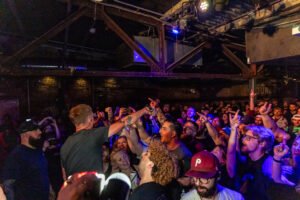
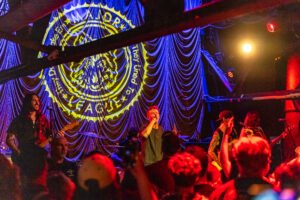
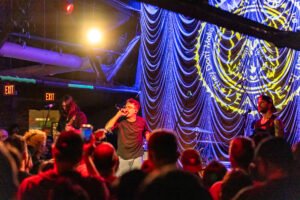
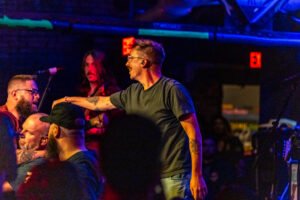
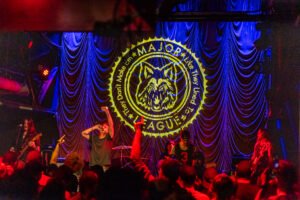
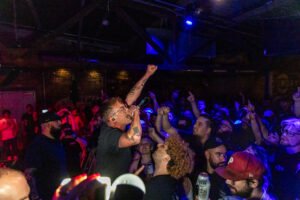
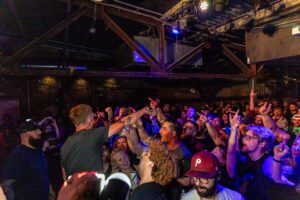
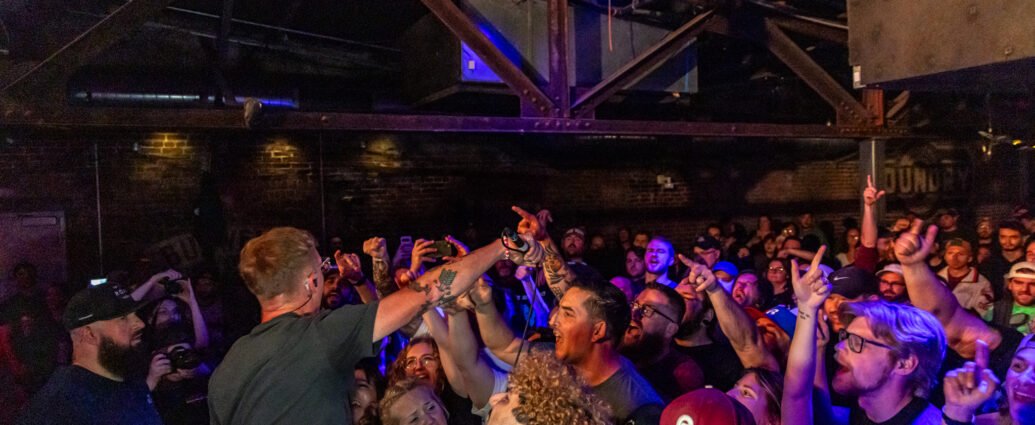
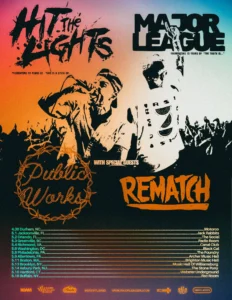
The atmosphere inside The Foundry felt less like an ordinary concert and more like a reunion years in the making as Major League returned to the stage for one of the most anticipated shows of their comeback tour. Long before the lights dimmed, the venue was packed wall to wall with fans wearing faded tour shirts from the early 2010s, many of whom had followed the band since the days of VFW halls and cramped South Jersey basements. Conversations throughout the crowd revolved around memories of seeing the band during their rise in the pop punk scene, and every mention of the group carried the kind of emotional attachment usually reserved for hometown heroes. The excitement only grew when it was announced that fellow tourmates Hit the Lights had graciously given Major League the headlining slot for the Philadelphia date, allowing the band to close the night in front of the fans who helped build their legacy. When the house lights finally dropped and the opening notes rang out, the roar from the local faithful was deafening, immediately proving this was far more than a nostalgia act—it was a celebration of a scene, a city, and a band finally returning home.
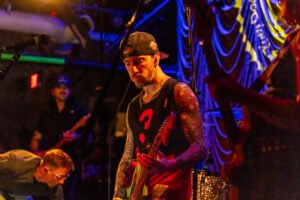
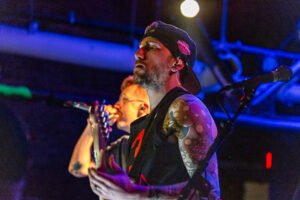
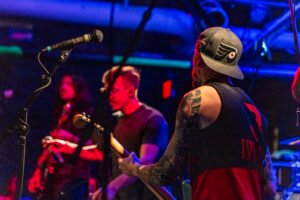
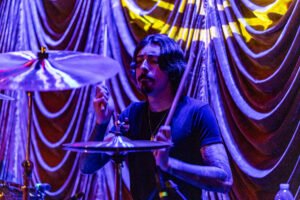
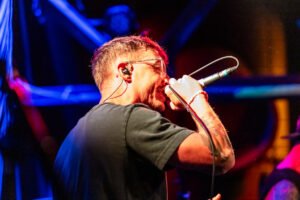
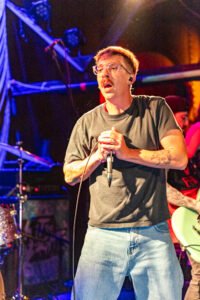
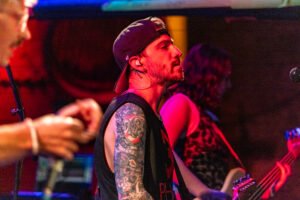
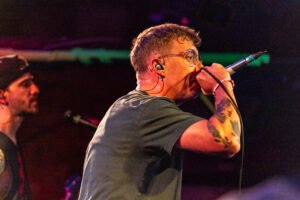
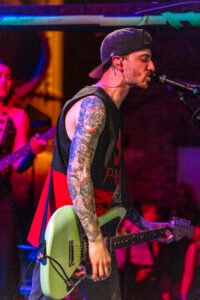
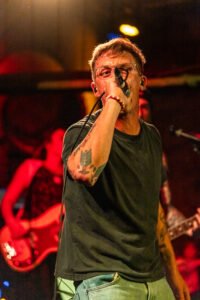
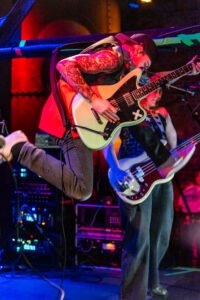
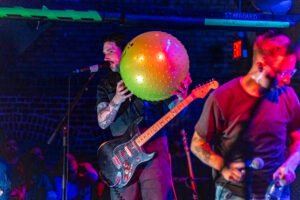
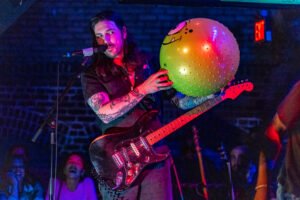
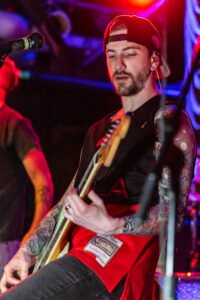
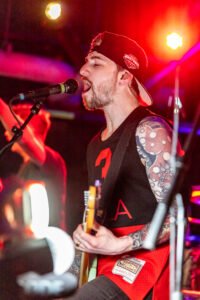
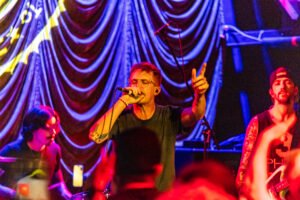
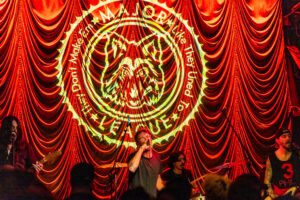
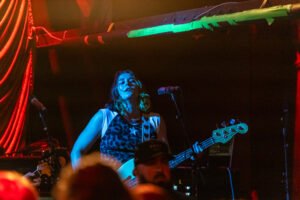
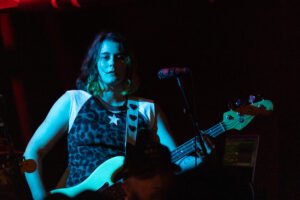
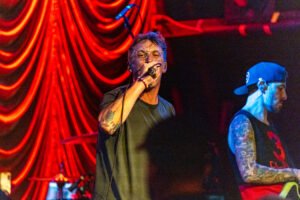
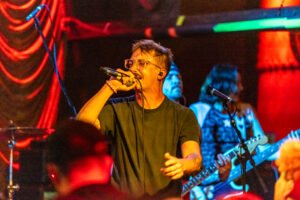
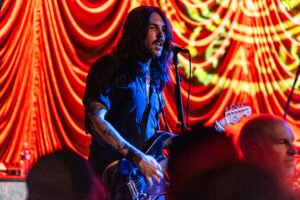
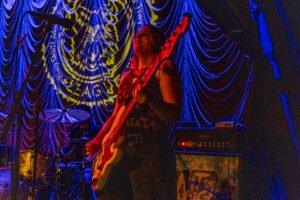
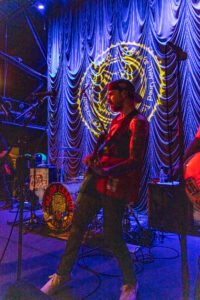
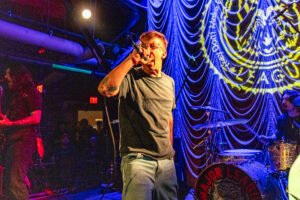
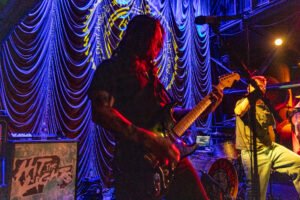
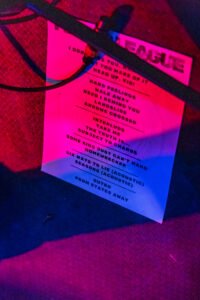
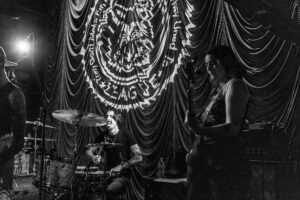
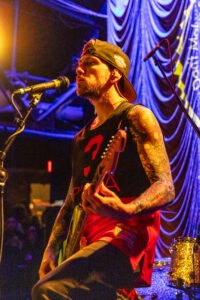
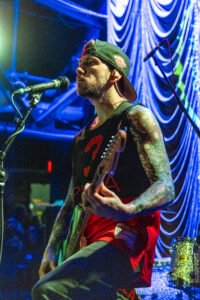
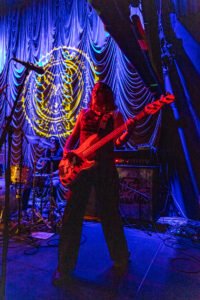
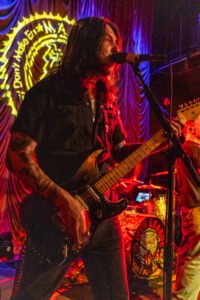
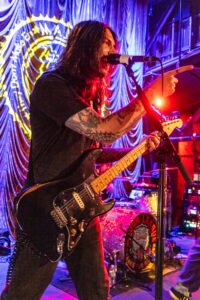
Opening with “I Don’t Like You,” Major League wasted no time reigniting the chemistry that made them such a force in pop punk years earlier. Singer Nick Trask stormed onto the stage with relentless energy, gripping the microphone stand while shouting every lyric with raw conviction as the crowd instantly erupted into singalongs and crowd surfing. Guitarists Brian Joyce and Matt Chila traded sharp melodic riffs across opposite sides of the stage, constantly moving and feeding off each other’s energy while also contributing backing vocals that thickened the choruses throughout the night. Bassist Livi Dillon anchored the performance with driving low end and animated stage presence, often stepping toward the crowd to encourage louder singalongs, while drummer Braedon O’Shea powered the entire set with explosive precision behind the kit. The transition into “Whatsoever” elevated the energy even further as fans shouted every word back toward the stage, creating a massive communal chorus that nearly drowned out the band itself. It was immediately clear that despite the years apart, the connection between Major League and their audience had not faded in the slightest.
As the set continued with “What You Make of It” and “Head Up, Kid,” the emotional weight of the evening became impossible to ignore. Nick Trask repeatedly paused between songs to thank the audience for never giving up on the band during their long absence, admitting that seeing so many familiar faces in Philadelphia made the night deeply personal for everyone onstage. “Head Up, Kid” in particular became one of the night’s defining moments as the crowd bounced in unison beneath the venue lights, turning the floor into a sea of movement and raised fists. Brian Joyce’s vocal harmonies gave the song an even bigger live presence while Matt Chila’s soaring guitar leads cut through the room with a polished but emotional edge. The chemistry among the band members looked completely natural, as though they had never stopped touring together. Every glance, every synchronized movement, and every shouted lyric reflected years of friendship and shared history that translated directly into the performance.
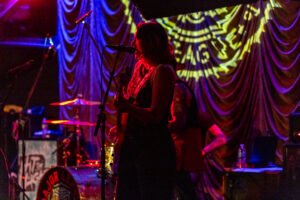
The momentum only intensified once the opening chords of “Hard Feelings” rang through the venue. The song carried a heavier emotional atmosphere live, with fans screaming along to every lyric while waves of crowd surfers continuously floated toward the barricade. Braedon O’Shea’s drumming stood out particularly during this stretch of the set, adding thunderous fills and sharp transitions that gave the songs added urgency and aggression. “Need I Remind You” followed with a slightly darker tone, showcasing the band’s ability to balance catchy pop punk melodies with emotionally vulnerable lyricism. Livi Dillon’s bass performance became especially noticeable here, locking tightly with the drums while adding depth beneath the layered guitar work. The crowd’s response never wavered, and each chorus seemed louder than the last as longtime fans relived songs that had soundtracked important moments in their lives.
Midway through the set, Major League leaned heavily into fan favorites with “Arrows Crossed” and “Take Me,” both of which triggered some of the loudest reactions of the evening. “Arrows Crossed” transformed the venue into a massive singalong, with Nick Trask often stepping away from the microphone entirely and allowing the audience to carry full sections of the song themselves. During “Take Me,” fans pressed tightly against the stage barricade with arms extended toward the band while circle pits broke out toward the middle of the floor. Brian Joyce and Matt Chila continuously crossed sides of the stage, feeding off the audience’s energy while trading harmonized guitar parts that sounded massive inside the packed venue. The performance felt less rehearsed and more instinctive, driven by adrenaline and the overwhelming realization that this long-awaited reunion was finally happening.
One of the most memorable shifts in the set came when the band stripped things down for acoustic performances of “Six Ways to Lie” and “Seasons.” The venue lights dimmed softly as the crowd settled into an emotional hush, creating one of the most intimate moments of the night. Nick Trask’s vocals carried a raw sincerity during both songs, allowing the lyrics to take center stage in a way that differed from the explosive energy of the earlier material. Brian Joyce and Matt Chila sat side by side with acoustic guitars, carefully layering harmonies while Livi Dillon added subtle vocal support that gave the stripped-down arrangements additional warmth. Thousands of phone lights illuminated the room as fans sang quietly along, many clearly emotional while hearing songs they had not experienced live in nearly a decade. The acoustic section served as a reminder that Major League’s strength has never solely been their energy, but also their ability to create deeply personal connections through honest songwriting.
That emotional atmosphere quickly exploded back into chaos once the band launched into “The Truth Is…” and “Subject to Change.” Fans surged forward once again as the room transformed into pure movement, with stage divers continuously leaping from the edge of the platform into the waiting crowd below. Nick Trask commanded the stage with renewed intensity, pacing constantly while shouting lyrics directly into the faces of front-row fans. Braedon O’Shea’s drumming became absolutely relentless during this portion of the set, pushing the tempo forward with aggressive precision while Brian Joyce and Matt Chila unleashed towering walls of guitar tone. The local faithful responded with nonstop energy, proving just how much this performance meant to the Philadelphia and South Jersey scene that had embraced the band from the very beginning. Every lyric felt shared between artist and audience rather than simply performed.
As the night neared its climax, Major League delivered back-to-back performances of “Some Kids Just Can’t Hang” and “Homewrecker,” sending the venue into complete frenzy. “Some Kids Just Can’t Hang” especially resonated with the crowd because of its themes of growing older while holding onto the people and memories that shaped you. Fans wrapped arms around one another while screaming every word toward the ceiling, creating one of the most unified moments of the evening. During “Homewrecker,” the pit erupted into nonstop motion as crowd surfers poured over the barricade in waves. Livi Dillon continuously encouraged the audience throughout the chaos, pointing microphones toward fans while smiling through the deafening singalongs. The sense of joy radiating from the stage was unmistakable, as every band member appeared genuinely overwhelmed by the turnout and emotional response from the hometown audience.
Throughout the entire performance, what stood out most was how naturally Major League stepped back into their role within the pop punk scene. This was not simply a band cashing in on nostalgia; it felt like a genuine continuation of unfinished history. Nick Trask repeatedly emphasized how important South Jersey and Philadelphia had been to the band’s growth, crediting the local scene for shaping both their music and identity over the years. That appreciation was reflected in every moment of the set, from the constant fan interaction to the visible gratitude shared between songs. Even the gesture from Hit the Lights allowing Major League to headline the evening added another emotional layer to the event, demonstrating the respect the band continues to command within the broader pop punk community. The night carried the feeling of a full-circle moment not only for Major League, but for an entire generation of fans who grew up alongside their music.
By the time the final notes rang out and the band gathered together at center stage to thank the audience one last time, it was obvious everyone inside The Foundry understood they had witnessed something special. Fans lingered long after the set ended, many still singing choruses while recounting favorite moments from the night to friends around them. Major League’s return performance was everything longtime supporters could have hoped for—emotional, energetic, chaotic, and deeply personal all at once. More importantly, it reaffirmed the lasting impact the band continues to have on the South Jersey and Philadelphia pop punk community. For one unforgettable night, the years apart disappeared entirely as Major League reclaimed their place in front of the hometown crowd that never stopped believing in them.