
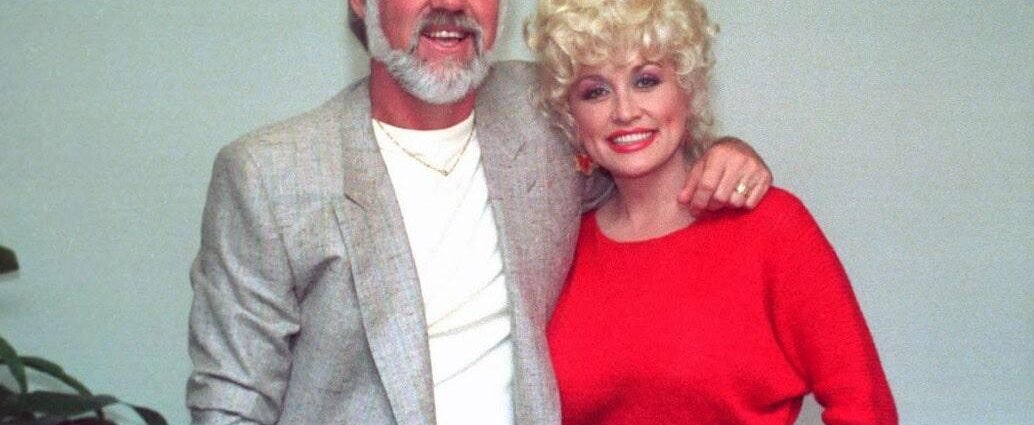
Dolly Parton: The Songwriter Who Turned a Life Into an American Soundtrack
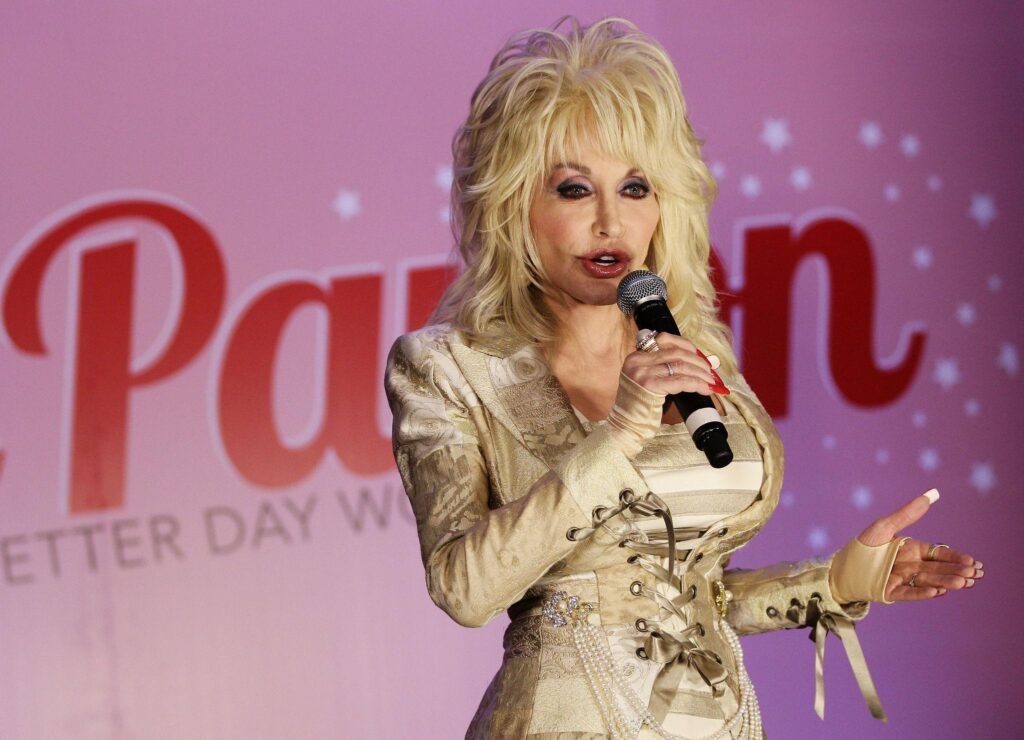
Dolly Parton
January 19, 1946 – August 25, 2026
There are very few musicians whose names require no explanation.
Say Dolly.
Most people know exactly who you mean.
The blonde hair. The rhinestones. The unmistakable voice. The Tennessee accent. The songs. The movies. Dollywood. The books. The jokes.
But strip away all of that for a moment, and something remarkable remains.
A songwriter.
That is where the story of Dolly Parton really begins.
And perhaps it is where her legacy should begin, too.
Dolly Parton died August 25, 2026, at the age of 80 in Nashville, Tennessee. Her representatives said she died following a brief battle with cancer at Vanderbilt-Ingram Cancer Center, surrounded by loved ones.
The news closes one of the most extraordinary chapters in American music.
But it does not close the story.
Because the songs remain.
A SONGWRITER FROM THE MOUNTAINS
Dolly Rebecca Parton was born January 19, 1946, in Locust Ridge, Tennessee, one of twelve children raised in an Appalachian family that knew poverty firsthand.
Music was everywhere.
Her mother sang. Her grandfather was a fiddling preacher and songwriter. Her family listened to the Grand Ole Opry on the radio, and Dolly began writing songs as a child.
Those circumstances would eventually become the raw material for one of the deepest songwriting catalogs in American music.
Parton’s childhood was not romanticized simply because she later became famous.
She remembered the hardship.
She remembered embarrassment.
She remembered wanting more.
And she wrote about it.
That is why “Coat of Many Colors” remains so powerful.
It isn’t really about a coat.
It’s about a child discovering that being poor doesn’t necessarily mean being lesser.
That ability to transform personal experience into something universal became the defining characteristic of Parton’s songwriting.
NASHVILLE WAS THE DESTINATION. MUSIC WAS THE PLAN.
Parton was already performing publicly while still young.
She appeared on Knoxville television, recorded early material and performed at the Grand Ole Opry at 13. After graduating from high school in 1964, she left Tennessee for Nashville.
She arrived with ambition, talent and an extraordinary belief in herself.
Nashville eventually noticed.
Her songwriting began attracting attention, and in 1967 she joined The Porter Wagoner Show, becoming Wagoner’s duet partner.
It was the breakthrough she needed.
It wasn’t the destination.
Parton’s career with Wagoner helped establish her nationally, but her desire for artistic independence eventually became impossible to ignore.
Leaving the show meant taking a significant professional risk.
Dolly took it.
And then she wrote a song about it.
“I WILL ALWAYS LOVE YOU”
There may be no better example of Dolly Parton’s songwriting genius than “I Will Always Love You.”
Parton wrote the song as she prepared to leave Wagoner’s show.
The remarkable thing is what the song doesn’t do.
It doesn’t burn the bridge.
It doesn’t insult the person being left behind.
It doesn’t pretend that leaving is easy.
Instead, it recognizes that love and separation can exist simultaneously.
Parton recorded the song herself, taking it to No. 1 on the country charts.
Years later, Whitney Houston transformed the song into a global pop phenomenon through her recording for The Bodyguard.
Houston’s version became one of the defining vocal performances of the 1990s.
But underneath that extraordinary performance was a song written by a woman sitting down to say goodbye.
That is songwriting at its highest level.
The melody works.
The words work.
The emotion works.
And the song survives whoever happens to be singing it.
THEN CAME “JOLENE”
If “I Will Always Love You” demonstrated Parton’s ability to write about mature heartbreak, “Jolene” demonstrated how little she needed to tell a complete story.
The song is almost cinematic.
There is a narrator.
There is a rival.
There is a relationship at risk.
And there is fear.
But Parton doesn’t make her narrator invincible.
She makes her vulnerable.
That’s why “Jolene” has survived decades of changing musical tastes.
It’s country.
It’s pop.
It’s folk.
It’s rock.
It’s a story.
And stories don’t have expiration dates.
The song has been recorded and reinterpreted repeatedly, proving something Parton understood early in her career:
A great song doesn’t belong to the person who wrote it forever.
Eventually, it belongs to everyone.
SHE DIDN’T JUST CROSS OVER. SHE OPENED THE DOOR.
Parton eventually moved beyond traditional country music and into mainstream pop.
Here You Come Again helped establish her as a crossover star in the late 1970s. Her increasing success outside traditional country created tension with portions of her original audience, but Parton refused to allow genre boundaries to determine the limits of her career.
That decision would define her career.
She could be country.
She could be pop.
She could sing gospel.
She could make bluegrass.
She could record rock.
She could act.
She could write for Broadway.
She could collaborate with artists decades younger than herself.
And somehow, it still sounded like Dolly.
That may be her greatest musical accomplishment.
She adapted without disappearing.
DOLLY IN HOLLYWOOD
Then Dolly Parton became a movie star.
Her performance in 9 to 5 introduced her to audiences who might never have purchased a country album.
And the title song became another Parton classic.
That wasn’t an accident.
Parton didn’t simply perform “9 to 5.”
She wrote it.
The song captured frustration with workplace inequality and turned it into something catchy enough to become a pop hit.
She followed it with roles in films including The Best Little Whorehouse in Texas and Steel Magnolias.
Hollywood discovered what country music already knew.
Dolly Parton was impossible to ignore.
THE BUSINESS OF BEING DOLLY
Here’s where Parton’s story becomes even more unusual.
She didn’t stop at music.
She built businesses.
She created Dollywood.
She produced entertainment.
She founded Dolly Records.
She became a major force in tourism in her native East Tennessee.
The Country Music Hall of Fame notes that Parton successfully transformed her career as a country singer and songwriter into work spanning pop music, acting, business and philanthropy.
But there was something different about Parton’s approach to celebrity.
She understood the business of being Dolly Parton.
The hair was part of the brand.
The clothes were part of the brand.
The humor was part of the brand.
The self-deprecation was part of the brand.
But underneath it all was something much more serious:
Control.
Parton understood that if the public was going to create a character around her, she could create one too.
And she did.
THE SERIOUS SIDE OF DOLLY
It would be easy to underestimate Dolly Parton.
That may have been one of her greatest advantages.
The jokes made people comfortable.
The rhinestones made her recognizable.
The larger-than-life personality made her entertaining.
But behind all of it was an extraordinarily shrewd businesswoman and songwriter.
The Rock & Roll Hall of Fame describes Parton as an artist who crossed genres and media while maintaining artistic control and using her success to support philanthropy.
She wasn’t simply famous.
She knew how fame worked.
And she used it.
THE IMAGINATION LIBRARY
Perhaps the most important part of Parton’s legacy has nothing to do with music.
In 1995, she established Dolly Parton’s Imagination Library, a literacy program providing books to young children.
The program eventually expanded far beyond Tennessee and became an international effort.
That is an extraordinary legacy.
A hit song can make someone happy for three minutes.
A book can change the trajectory of a child’s life.
Parton understood that.
Her philanthropy extended into medical research and other causes as well, including a $1 million donation that supported early COVID-19 vaccine research.
The Imagination Library remains one of the clearest examples of Parton’s philosophy:
Success means more when somebody else benefits from it.
THE ARTIST NEVER REALLY STOPPED
One of the easiest mistakes to make when discussing Dolly Parton is to treat the second half of her career as an extended victory lap.
It wasn’t.
She continued recording.
She returned to bluegrass and traditional music.
She collaborated with artists across generations.
She wrote for musical theater.
And in 2023, she released Rockstar, a collection that demonstrated just how far her musical curiosity extended.
She had nothing left to prove.
She kept making music anyway.
That distinction matters.
DOLLY PARTON’S GREATEST SONG WAS HER CAREER
Dolly Parton’s catalog is enormous.
She wrote thousands of songs.
Some became standards.
Some became hits for other artists.
Some were deeply personal.
Some were funny.
Some were heartbreaking.
Some were political without sounding political.
Some were about poverty.
Some were about love.
Some were about faith.
Some were simply about being human.
But if you step back from the catalog, another composition emerges.
Her career.
Every decision became another verse.
Leaving the mountains.
Going to Nashville.
Working with Porter Wagoner.
Walking away.
Writing “Jolene.”
Writing “I Will Always Love You.”
Moving into pop.
Going to Hollywood.
Building Dollywood.
Creating the Imagination Library.
Recording rock songs.
Continuing to work.
Continuing to give.
Continuing to reinvent.
That is an extraordinary body of work.
THE LAST CHAPTER
Parton’s final years brought profound personal changes.
Her husband, Carl Dean, whom she married in 1966, died in March 2025 after nearly six decades of marriage. Parton spoke publicly about grief and faith following his death.
In 2026, she also faced significant health problems.
Her representatives ultimately confirmed that she had been battling cancer before her death on August 25.
She was 80.
The news was met with an immediate outpouring of grief from musicians, actors, fans and public figures.
But perhaps the most fitting response came from the people who didn’t know Dolly personally.
The people who simply knew her songs.
WHAT HAPPENS WHEN DOLLY PARTON DIES?
The strange thing about losing someone like Dolly Parton is that the music doesn’t stop.
“Jolene” will still play.
“9 to 5” will still make people smile.
“Coat of Many Colors” will still make people think about home.
“I Will Always Love You” will still break hearts.
And somewhere, someone who has never heard Dolly Parton before will press play.
That’s the real test of a musical legacy.
Not how loudly people mourn on the day you die.
How often people continue discovering you afterward.
Dolly Parton will be discovered forever.
THE LEGACY
Dolly Parton was many things.
She was a country star.
A pop star.
A songwriter.
An actress.
A businesswoman.
A philanthropist.
A cultural icon.
But if we had to choose one word for the DreadMusicReview obituary, it would be:
Writer.
Because everything else grew from that.
The songs created the career.
The career created the platform.
The platform created the businesses.
The businesses created opportunities.
The opportunities created philanthropy.
And the philanthropy created a legacy that extends far beyond music.
That’s the remarkable part.
Dolly Parton didn’t simply become famous.
She built something.
And she kept building it for more than six decades.
DREADMUSICREVIEW FINAL WORD
The music industry will eventually produce another superstar.
It will produce another crossover artist.
Another songwriter will write a song that becomes a classic.
Another entertainer will sell millions of records.
Another celebrity will build an enormous business.
But the combination of all those things in one person is extraordinarily rare.
Dolly Parton was rare.
She came from a poor family in the Tennessee mountains and became one of the most successful musicians in the world without allowing success to erase where she came from.
She turned hardship into songs.
She turned songs into a career.
She turned a career into a platform.
And she turned that platform toward other people.
That is why her death matters.
Not simply because a famous person died.
Because an original voice has gone quiet.
But the songs?
They’re just getting started again.
Every time someone discovers Dolly Parton for the first time, another chapter begins.
Dolly Parton may have written the songs.
But she left the world to sing them.
DreadMusicReview Legacy Rating: 10/10
Essential Listening:
Jolene
Coat of Many Colors
I Will Always Love You
9 to 5
Here You Come Again
My Tennessee Mountain Home
The Grass Is Blue
Rockstar
Artist: Dolly Parton
Born: January 19, 1946
Died: August 25, 2026
Age: 80
Hometown: East Tennessee
Genre: Country / Pop / Bluegrass / Gospel / Rock
Legacy: One of the most influential songwriters and entertainers in American music history.
DreadMusicReview: Dolly Parton’s music was never just about where she came from. It was about showing everyone else that they could come from somewhere, too.