Periphery have become one of the defining forces in modern progressive metal, reshaping the genre with a sound that pairs technical precision with crushing heaviness and expansive melodic ambition. Emerging from the Washington, D.C. metal scene, the band helped bring djent into the mainstream through their use of down-tuned guitars, intricate rhythmic patterns, unconventional time signatures, and dynamic vocal arrangements. What sets Periphery apart is their ability to make complexity feel immediate, moving effortlessly between polyrhythmic breakdowns, atmospheric passages, soaring choruses, and moments of unrelenting aggression. Their influence can be heard throughout contemporary progressive metal and metalcore, where bands continue to draw inspiration from their balance of musicianship, experimentation, and emotional songwriting. On their newest record, A Pale White Dot, Periphery continue to build on that foundation, exploring new sonic territory while maintaining the technical intensity and distinctive songwriting that have made them such a vital presence in heavy music.
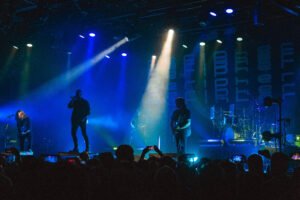
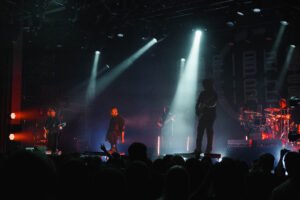
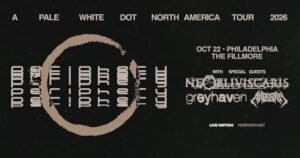
That evolution took center stage as Periphery launched their tour at The Fillmore Philadelphia, bringing the next chapter of their sound to one of the city’s premier live music venues. The kickoff offered a chance to experience the band’s intricate arrangements and massive sonic textures in a live setting, where complex studio compositions transform into an immersive wall of sound. From tightly synchronized guitar work and shifting rhythmic grooves to soaring vocal hooks and explosive breakdowns, Periphery’s performances capture the precision and unpredictability that define their music. Opening the tour in Philadelphia also underscored the band’s enduring connection with a passionate heavy music community that embraces both technical musicianship and forward-thinking songwriting. With A Pale White Dot pushing their creative vision further, Periphery continue to prove that progressive metal is not simply about complexity for its own sake, but about using that complexity to create music that is ambitious, visceral, and unmistakably their own.
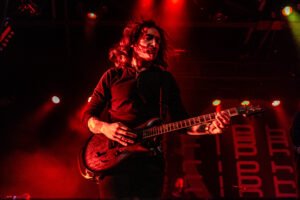
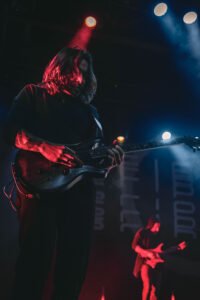
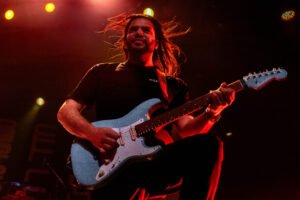
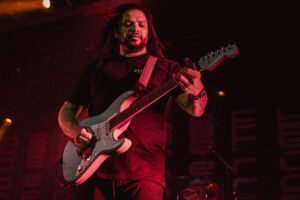
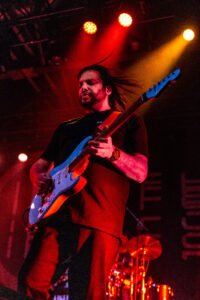
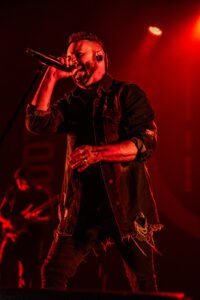
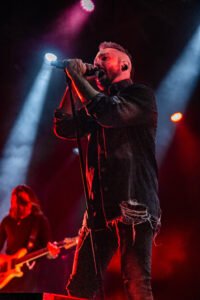
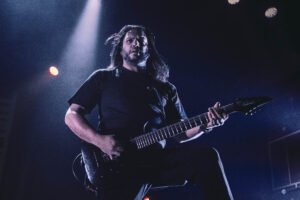
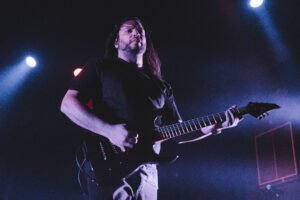
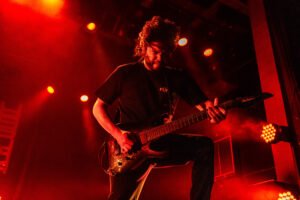
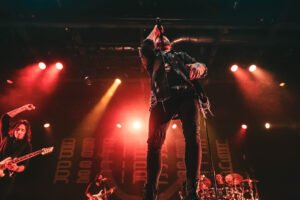
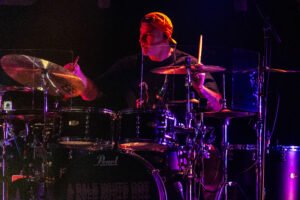
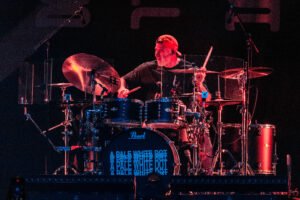
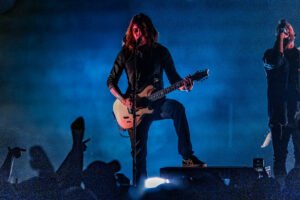
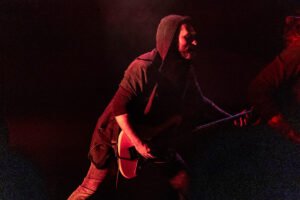
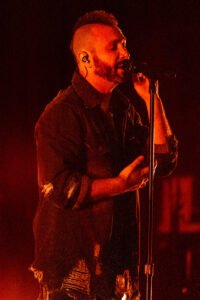
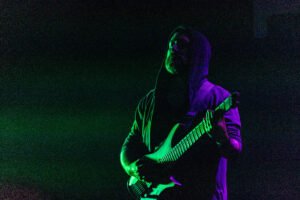
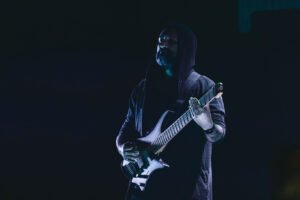
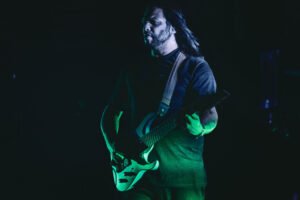
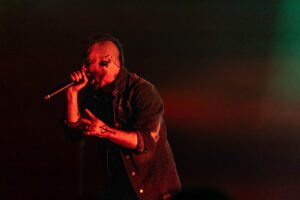
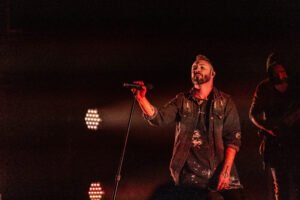
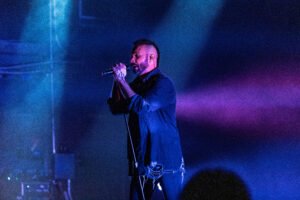
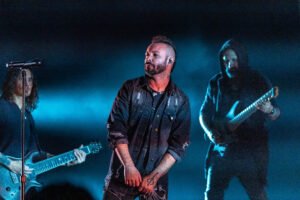
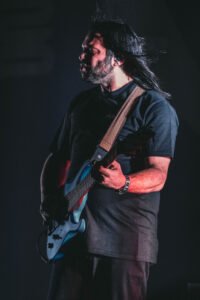
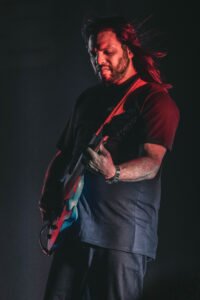
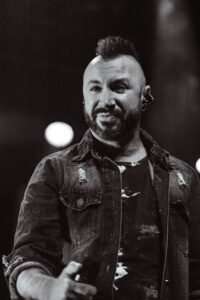
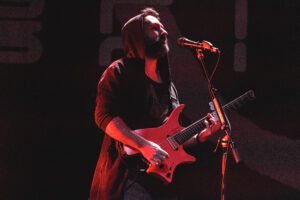
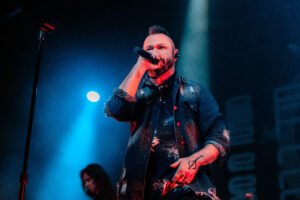
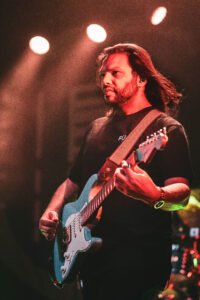
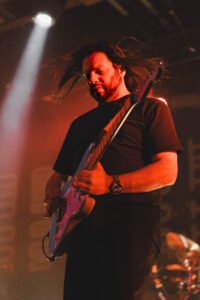
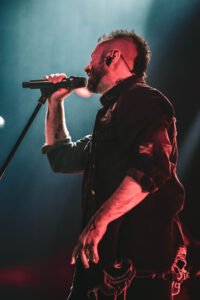
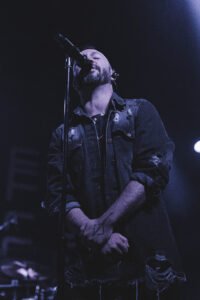
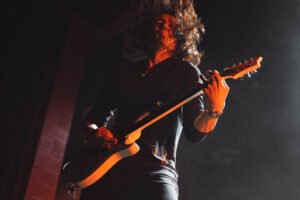
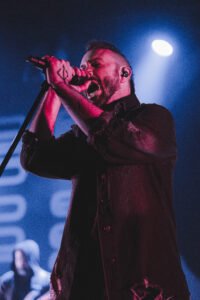
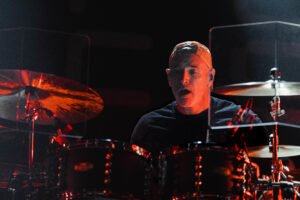
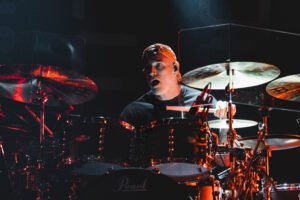
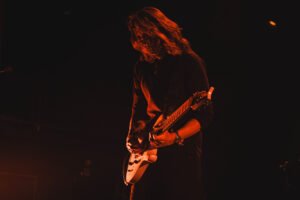
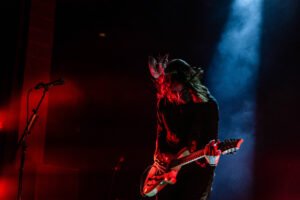
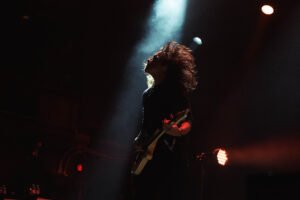
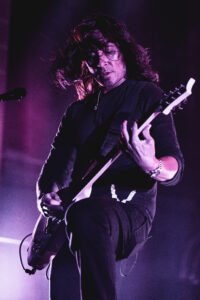
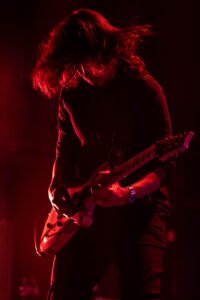
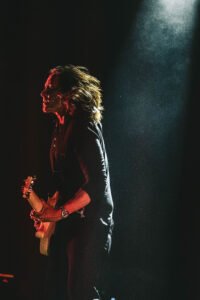
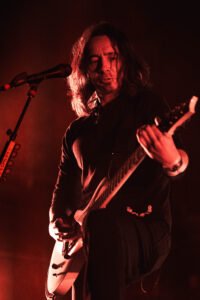
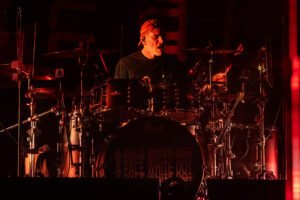
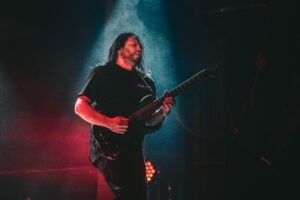
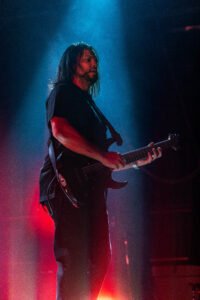
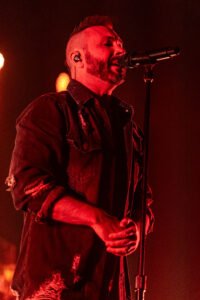
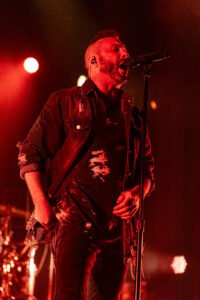
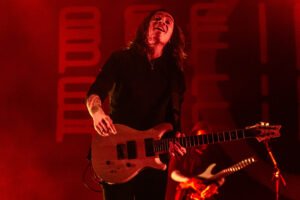
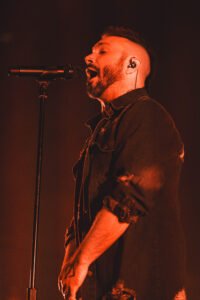
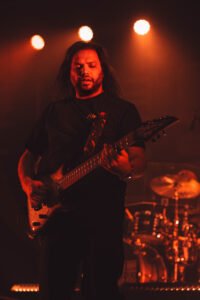
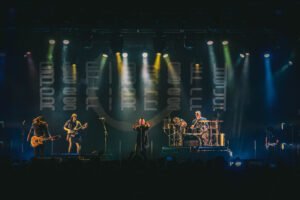
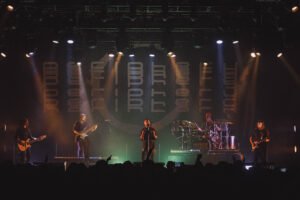
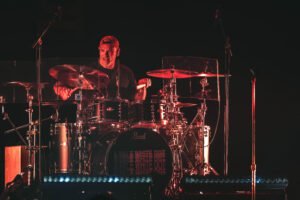
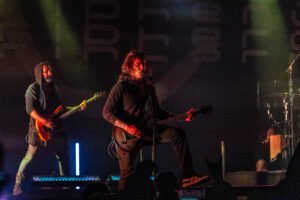
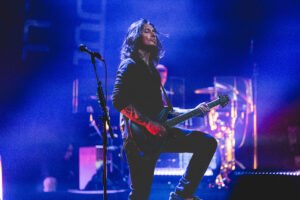
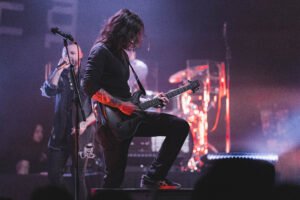
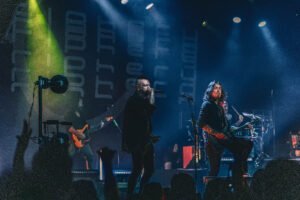
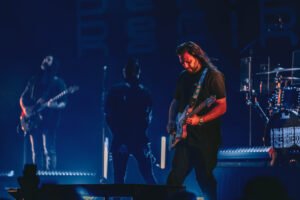
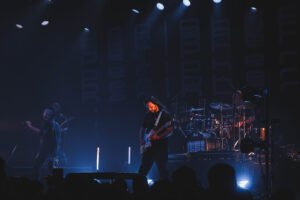
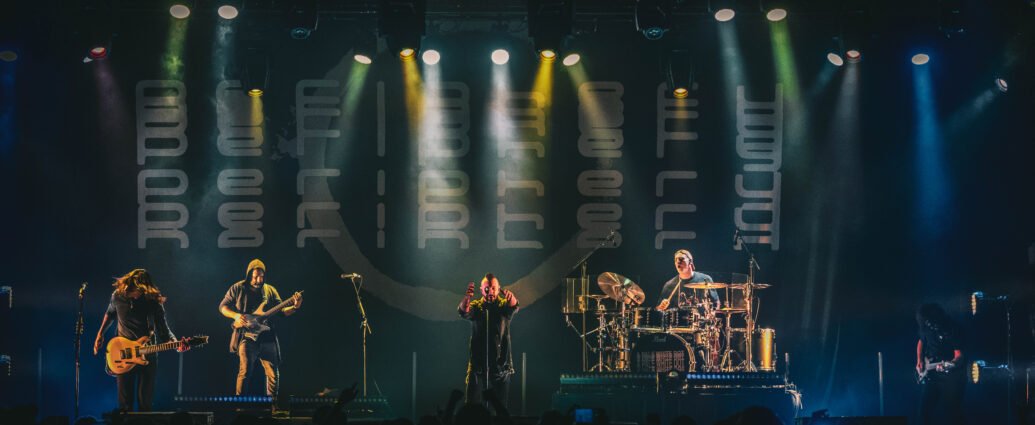
Periphery brought their unmistakable blend of technical precision and crushing heaviness to The Fillmore Philadelphia for the kickoff of their A Pale White Dot North American tour. Opening with “Scarlet,” the band immediately established the night’s intensity, drawing on one of the most recognizable tracks from Periphery II: This Time It’s Personal. Misha Mansoor, Jake Bowen, and Mark Holcomb formed a formidable three-guitar attack, layering intricate riffs and tightly synchronized rhythms into a dense, muscular sound. Behind them, Matt Halpern supplied the driving rhythmic foundation, while Spencer Sotelo’s commanding vocals helped transform the opening number into a statement of intent. The choice of “Scarlet” connected the band’s earlier evolution with its current creative direction, setting the tone for a performance that celebrated both its history and its continued ambition.
“Wildfire” pushed the energy even higher, unleashing the intricate rhythmic interplay and aggressive groove that have become central to Periphery’s modern sound. The song’s shifting accents and tightly interlocked guitar parts gave Mansoor, Bowen, and Holcomb room to demonstrate how three distinct approaches can combine into one cohesive sonic force. Halpern’s drumming was essential to the track’s impact, anchoring its constantly evolving patterns without sacrificing the momentum that makes the music so physical. Sotelo moved between forceful, aggressive delivery and more melodic phrasing, giving the arrangement both bite and dimension. The result was a reminder that Periphery’s technicality is not merely an exercise in musicianship: every rhythmic turn and sudden transition serves the larger architecture of the song, making its complexity feel as visceral as it is precise.
With “Heaven on High,” Periphery turned the spotlight toward A Pale White Dot, demonstrating how their newest material builds on the band’s established progressive metal vocabulary while introducing fresh melodic and atmospheric dimensions. The song’s place early in the set helped establish the album as more than a brief promotional detour; it was a central part of the night’s identity. Mansoor, Bowen, and Holcomb navigated the intricate guitar arrangements with the precision required to make densely layered passages feel fluid rather than mechanical. Halpern’s drumming provided the movement that linked the song’s contrasting sections, while Sotelo’s vocals gave its expansive musical framework a human focal point. As one of the new album’s defining selections, “Heaven on High” helped frame the tour kickoff as a celebration of Periphery’s present-day creativity, not simply a retrospective of its most familiar material.
“It’s Only Smiles” offered a different kind of intensity, showing the emotional openness that distinguishes Periphery from many of their heavier contemporaries. Rather than relying exclusively on punishing riffs and rhythmic complexity, the song creates its impact through melody, vulnerability, and a chorus designed to connect with listeners on a more personal level. Sotelo’s expressive vocal performance was central to that contrast, bringing warmth and feeling to the band’s otherwise formidable instrumental sound. The three guitarists provided the melodic framework without losing the precision that defines their playing, while Halpern kept the arrangement moving with an assured rhythmic foundation. The song’s inclusion also highlighted the breadth of the band’s catalog: Periphery can make a room move through sheer heaviness, but it can also create moments of collective reflection through a melody that stays with the audience long after the final note.
“Unlocking” further emphasized the importance of A Pale White Dot to the Philadelphia performance. Its inclusion gave fans another opportunity to hear the band’s newest creative direction translated from the studio to the stage, with intricate instrumental writing serving as the backbone of the composition. Mansoor’s compositional instincts, Bowen’s tightly controlled guitar work, and Holcomb’s distinctive rhythmic phrasing formed an interlocking musical structure, allowing the arrangement’s individual layers to retain their character within the larger sound. Halpern’s contribution was equally important, keeping the band’s many rhythmic shifts cohesive and forceful. Over this shifting foundation, Sotelo’s vocals supplied continuity and emotional character. As the set moved deeper into the new record, “Unlocking” reinforced the impression that Periphery’s technical ambition remains inseparable from its interest in atmosphere, contrast, and songwriting that rewards repeated listening.
The arrival of “Mr. God” brought another dimension of the new album into the spotlight. Its place in the set helped demonstrate the band’s willingness to explore a darker, more imposing musical palette while preserving the rhythmic intricacy that has become its signature. Mansoor, Bowen, and Holcomb approached the song as three parts of a larger instrument, creating the kind of tightly integrated guitar sound that can make Periphery’s music feel simultaneously massive and meticulously constructed. Halpern’s precision provided the anchor for the shifting arrangement, ensuring that its heavier passages carried weight rather than simply speed. Sotelo’s performance completed the picture, adding vocal intensity to the song’s dense instrumental framework. Paired with the other new material, “Mr. God” helped give the Philadelphia set a clear sense of forward motion, presenting A Pale White Dot as a significant chapter in the band’s ongoing evolution.
One of the night’s most notable moments arrived with “Subhuman,” which was marked as a live debut on the Philadelphia setlist. For a band with a catalog as expansive as Periphery’s, a first-ever live performance offers something beyond the satisfaction of hearing a familiar recording reproduced onstage: it gives the audience a chance to witness a song enter the band’s live vocabulary for the first time. The track’s placement made the moment particularly significant within a tour built around new material and creative reinvention. Mansoor, Bowen, and Holcomb had to translate the composition’s intricate guitar layers into a cohesive live arrangement, while Halpern’s drumming provided the structural clarity necessary for its rhythmic demands. Sotelo’s vocals stood at the center of that effort, bringing the song’s recorded identity into a concert setting. The debut underscored Periphery’s willingness to keep its performances evolving rather than relying exclusively on established crowd favorites.
“The Bad Thing” provided a powerful link to Periphery’s Juggernaut: Omega era, bringing the band’s more aggressive and confrontational side back into focus. Its appearance helped balance the concentration of new-album material with a reminder of the group’s earlier progressive metal milestones. The song’s tightly wound rhythmic patterns and dramatic shifts suited the three-guitar lineup particularly well, with Mansoor, Bowen, and Holcomb working together to deliver a sound that was both intricate and punishing. Halpern’s drumming supplied the drive that holds the composition together, while Sotelo’s performance gave its heavier passages the necessary intensity. The selection also illustrated the continuity running through Periphery’s discography: even as the band experiments with new textures and approaches, the underlying commitment to ambitious arrangements and uncompromising heaviness remains intact. In the context of the Philadelphia kickoff, “The Bad Thing” served as a reminder that the band’s evolution has always involved building upon its past rather than abandoning it.
The return of “Lune” was another major highlight, particularly for longtime fans who had been waiting to hear the song performed live again. The track appeared in Philadelphia for the first time live since 2020, making its inclusion a notable setlist surprise. Originally featured on Periphery III: Select Difficulty, “Lune” showcases a more expansive, emotionally resonant side of the band’s sound. Its melodic sweep and dynamic development offer a contrast to the intricate rhythmic aggression found elsewhere in the set, giving Sotelo space to bring the song’s vocal character forward while the guitars build its atmosphere. For Mansoor, Bowen, and Holcomb, the arrangement calls for a balance of precision and restraint, while Halpern’s drumming helps sustain the song’s gradual rise in intensity. Its return was more than a nostalgic gesture; it demonstrated how older material can take on renewed significance when reintroduced into a set shaped by a new album and a different moment in the band’s career.
Periphery brought the Philadelphia performance to its conclusion with “Reptile,” an appropriately ambitious finale that captured the scale and complexity of the band’s musical vision. As one of the defining epics from Periphery IV: Hail Stan, the track demands stamina, concentration, and an ability to move between contrasting musical ideas without losing its larger narrative momentum. Mansoor, Bowen, and Holcomb supplied the dense, interlocking guitar work that gives the composition its immense sonic footprint, while Halpern’s drumming kept its changing rhythms firmly connected. Sotelo’s vocal performance provided a focal point amid the track’s shifting textures and extended instrumental passages. Closing with “Reptile” gave the set a sense of culmination, drawing together the technical fireworks, melodic contrasts, and sheer physical heaviness that had defined the evening. As a final statement at the start of the A Pale White Dot tour, it reinforced Periphery’s reputation for treating progressive metal as a form capable of both intricate construction and overwhelming live impact.