
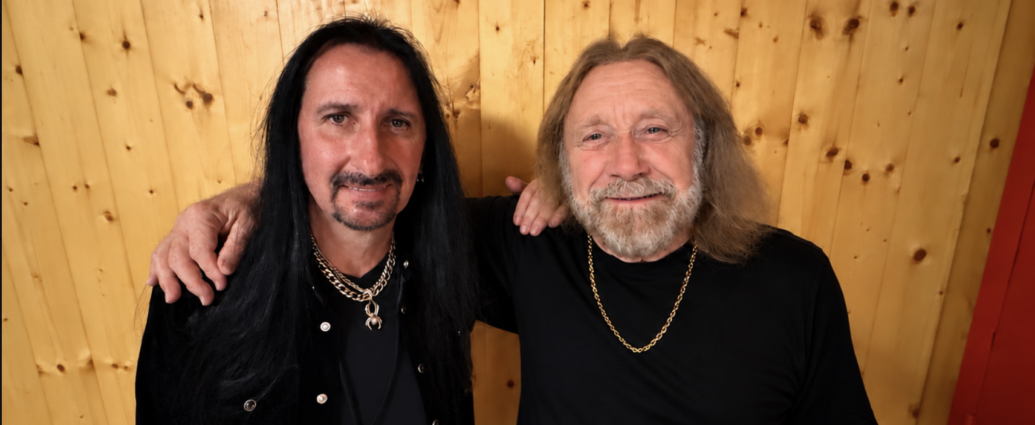
The quiet backbone of heavy metal steps away because of advancing arthritis and a serious shoulder injury. Davey Rimmer of Uriah Heep will take over bass duties as Priest moves into its next chapter.
There are moments in heavy metal history when the noise fades for a second and the reality of time catches up with the legends who helped build the genre.
This is one of those moments.
Ian Hill, founding bassist of Judas Priest and the only constant presence alongside the band through its many eras, has announced his retirement after 57 years. The decision comes after years of battling advancing arthritis, mounting pain, and a shoulder injury that ultimately made performing a full show increasingly uncertain.
For a musician who has spent most of his life onstage, this is not an easy goodbye. But Hill’s message to fans makes one thing clear: he has reached the point where the fight to continue is no longer worth the cost to his health and family life.
And for Judas Priest, one of heavy metal’s most enduring institutions, the departure of its longtime bassist marks the end of an era.
A Body That Has Given Everything
Hill has never been the loudest personality in Judas Priest. That was never his job.
While Rob Halford became one of metal’s most recognizable frontmen and guitarists Glenn Tipton and K.K. Downing helped establish the band’s twin-guitar identity, Hill supplied the foundation beneath the spectacle. His bass work helped hold together a sound that could move from muscular, straightforward grooves to the relentless speed of Painkiller.
Now, after decades of touring and recording, his body has reached its limit.
In his retirement statement, Hill explained that arthritis had advanced in his left shoulder and right hand, developed in his right shoulder, and affected both knees. He had been managing the condition with painkillers, gels, and cortisone injections, but the situation worsened during the band’s recent European tour.
The immediate turning point came in Brussels, where Hill snapped a tendon in his left shoulder shortly before the encores. The injury left him unable to raise his arm enough to reach the neck of his bass. Davey Rimmer was called in to cover the London show, stepping into an enormous role at short notice.
Hill said specialists had discussed whether he might avoid surgery, but even surgery would not guarantee that he could regain the strength needed to perform a full concert.
His decision was direct and painfully understandable.
For years, when asked how long he could keep going, Hill said he would continue until his performances suffered. Now, he acknowledges that the time has come.
There is no dramatic exit here. No manufactured farewell tour announcement. Just a veteran musician recognizing that the instrument he has spent a lifetime playing is no longer something his body can reliably manage.
And then there is family.
Hill said he has neglected his family life for 57 years and wants to spend the time ahead making up for that, doing things with the people who have stood beside him while Judas Priest conquered stages around the world.
That may be the most human part of the entire announcement. After a lifetime devoted to heavy metal, he is choosing time with his family over another round of encores.
Davey Rimmer Steps Into the Priest Family
Judas Priest has selected Davey Rimmer as Hill’s replacement. Rimmer is known for his work with Uriah Heep and Elegant Weapons, and he had already been brought in as a contingency when Hill’s injuries threatened his ability to complete the European dates.
According to Hill, Rimmer delivered an incredible performance when called upon at short notice. Hill also described him as a great bassist and a genuinely nice person who will fit the job.
That endorsement matters. Replacing a founding member of Judas Priest is not simply a matter of learning a setlist and showing up on time. It means stepping into a legacy that stretches across generations of metal fans, landmark recordings, and some of the most recognizable songs in the genre.
Rimmer has an advantage: he is not arriving as a complete stranger. He has already been trusted to step in when the band needed him.
Still, nobody should confuse a capable replacement with an interchangeable history. Rimmer will take over the bass duties, but Hill’s place in the band’s story is permanent.
From Birmingham to the Metal Gods
To understand why this retirement carries so much weight, it helps to go back to where Judas Priest began.
The band’s roots reach back to Birmingham, England, in 1969, during a period when British hard rock was helping shape the foundations of heavy metal. Hill was there at the beginning, alongside guitarist K.K. Downing, as the group developed from its early incarnation into Judas Priest.
The band released its debut album, Rocka Rolla, in 1974. It was a rawer, blues-influenced beginning, far removed from the sharpened metallic attack that would later make the name Judas Priest synonymous with the genre.
The arrival of Rob Halford and guitarist Glenn Tipton helped establish the lineup and musical identity that would define the band’s classic era. Albums such as Sad Wings of Destiny (1976), Sin After Sin (1977), and Stained Class (1978) pushed Priest toward a more focused, powerful sound. The twin-guitar attack grew more distinctive, Halford’s soaring vocals became a weapon of their own, and the band’s songwriting helped establish a blueprint for generations of metal musicians. Official Judas Priest discography
Then came 1980’s British Steel.
With songs like “Breaking the Law,” “Living After Midnight,” and “Metal Gods,” Judas Priest delivered an album that was direct, memorable, and heavy without sacrificing hooks. It became a defining record for the band and a landmark in the wider development of heavy metal.
The momentum continued with Screaming for Vengeance in 1982 and Defenders of the Faith in 1984. Priest’s sound was now unmistakable: precision guitar work, commanding vocals, a hard-driving rhythm section, and an image that helped cement leather and studs as enduring symbols of metal culture.
Hill was there through all of it.
He was there as the band expanded its international audience, experimented with the more synth-driven textures of Turboin 1986, and returned to a more aggressive approach with Painkiller in 1990. That last album remains a defining statement of speed and intensity, with Hill’s bass and Scott Travis’s drums providing the rhythmic engine beneath the twin-guitar assault.
Judas Priest was never frozen in one sound. It evolved, sometimes controversially, but it kept moving.
And Hill remained.
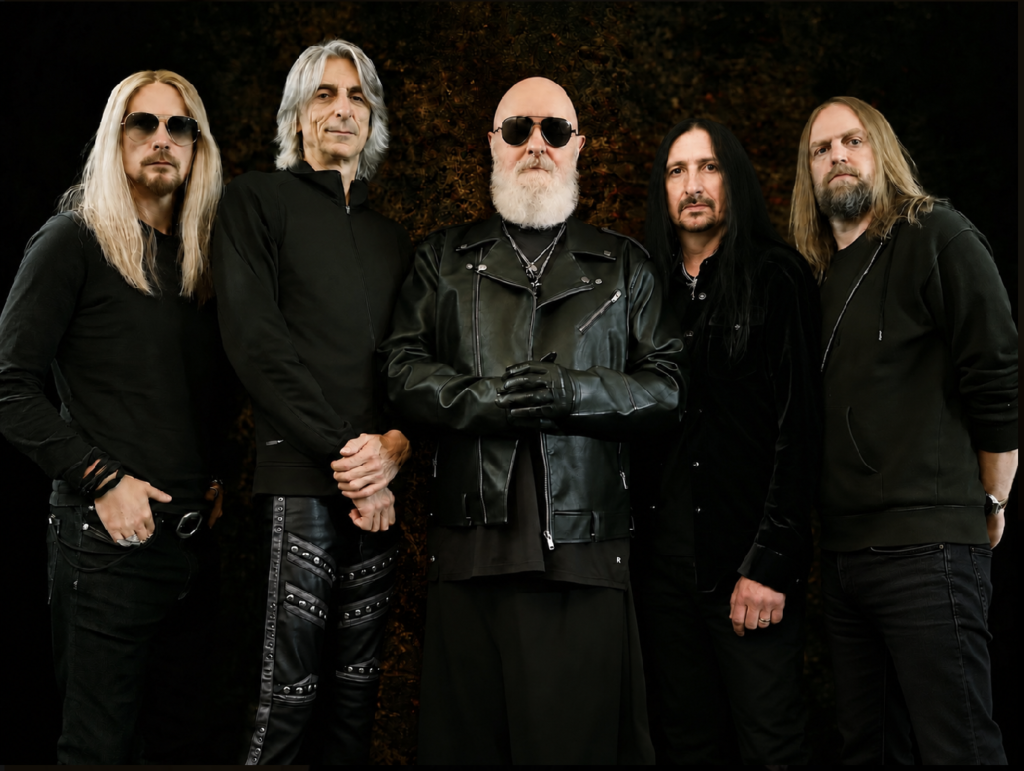
The Years That Tested Judas Priest
The band’s history has not been a straight line from one triumph to the next.
Halford left Judas Priest in 1992, launching a new chapter outside the group. The band continued with vocalist Tim “Ripper” Owens, releasing Jugulator in 1997 and Demolition in 2001. Halford returned in 2003, bringing the classic voice back into the fold and setting the stage for another major chapter in the band’s career.
Then came another seismic change. Downing departed in 2011, with Richie Faulkner joining the guitar lineup. Later, Tipton stepped back from regular touring because of Parkinson’s disease, although he remained an official member and continued contributing to the band’s music.
Through these changes, Hill’s presence was a rare constant.
He was not simply a member of the classic lineup who happened to remain on the roster. He was the connective tissue between the band’s early years, its commercial breakthrough, its lineup upheavals, and its modern resurgence.
In 2022, Judas Priest was inducted into the Rock & Roll Hall of Fame, receiving recognition for the band’s musical influence and enduring place in heavy metal history. The Hall’s own account highlights Priest’s dual-guitar attack, driving riffs, and soaring vocals as key parts of the sound that helped shape the genre. Rock & Roll Hall of Fame
For Hill, that recognition came after a career spent helping build the foundation beneath those defining moments.
The Bassist Behind the Thunder
Bass players do not always get the same attention as singers and lead guitarists. In a band like Judas Priest, the spotlight often falls on Halford’s voice, the twin-guitar work, or the spectacle of a live performance.
But the rhythm section is where the muscle lives.
Hill’s role was to give the guitars and vocals something solid to stand on. He helped keep the band’s attack grounded, allowing the music to hit hard without losing its forward momentum. That work may not always draw the loudest cheers, but remove it and the entire structure changes.
His longevity is part of what makes this moment so significant. The man leaving the stage is not a late-era addition or a musician who joined for a single chapter. He has been part of the band’s identity since its earliest days.
Judas Priest’s history has been written through different singers, guitarists, drummers, musical directions, and changing eras. Hill has been one of the people present through nearly all of that journey.
That is a rare legacy in any genre, let alone one as physically demanding as heavy metal.
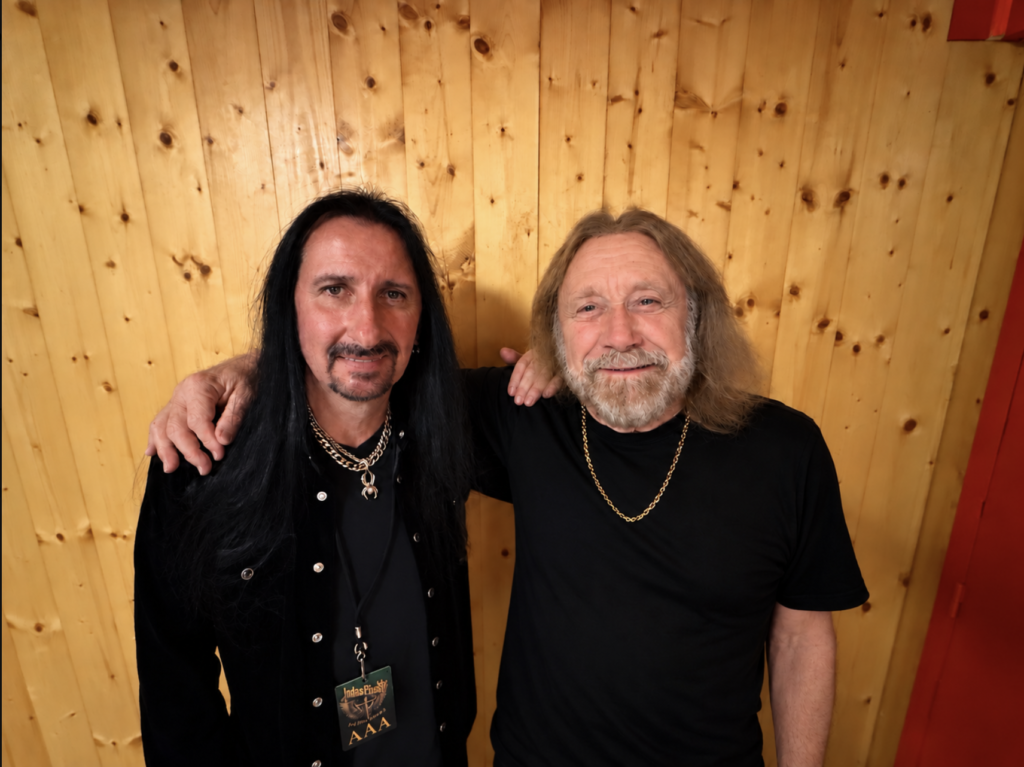
A Farewell Without Regret
Hill’s retirement message is not bitter. There is no sense that he feels cheated by the years or resentful of what the road demanded.
Instead, he expressed gratitude for the extraordinary journey he has lived and thanked fans for the life they allowed him to experience.
That gratitude feels earned.
For more than half a century, Judas Priest has given fans records to grow up with, songs to scream along to, and concerts that have become memories shared across generations. Hill was part of the machinery that made those experiences possible, night after night, album after album.
Now, he is choosing a different kind of life.
The band’s statement described Hill as its backbone and made clear how deeply he will be missed. It also welcomed Rimmer into the Priest family, signaling that the band intends to carry forward.
The music will continue. The songs will still thunder through venues. The crowd will still raise its fists when the opening notes of a classic hit the room.
But the story behind those songs has changed.
The DMR Bottom Line
Ian Hill’s retirement is more than a lineup announcement. It is a reminder that even the legends who seem built for the stage are human beings, carrying injuries, making sacrifices, and eventually facing decisions that no amount of history or applause can make easier.
Hill helped build Judas Priest from its earliest days in Birmingham into one of heavy metal’s defining bands. He stood through its transformations, its triumphs, its difficult years, and its eventual recognition among rock’s most influential acts.
He never needed to be the center of attention to matter. His contribution was in the foundation—in the steady, relentless pulse that allowed everything else to rise above it.
Now Davey Rimmer has the responsibility of carrying that part of the sound forward. The future of Judas Priest will belong to the musicians who continue to play it, but the history belongs just as firmly to the people who built it.
After 57 years, Ian Hill has earned the right to put the bass down, step away from the road, and spend time with the family he says he has missed along the way.
Thank you, Ian. The Metal Gods will never sound quite the same without you.
AI EDITORIAL DISCLAIMER: This article was written and edited by the DreadMusicReview staff and may have been polished or assisted by artificial intelligence. DMR believes readers have the right to know when AI has played a role in the preparation of our content. All newsworthy information, facts, quotes, and reporting remain the responsibility of the DreadMusicReview editorial staff.